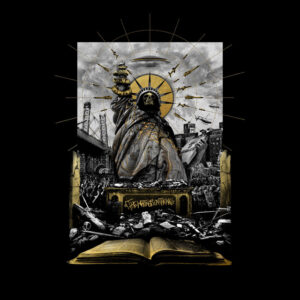
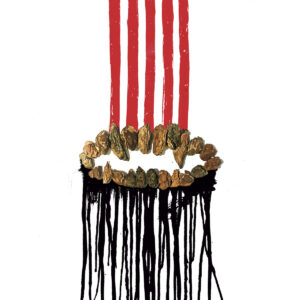
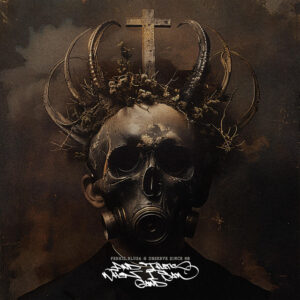
GOLLIWOG is a haunting collection that weaves horror, humor, surrealism and Afropessimism into a cinematic tapestry, aided and abetted by a murderer’s row of producers. African zombies, time traveling trap cars, malevolent ragdolls and a dying Frantz Fanon are just a few of the revelers in woods’ danse macabre. GOLLIWOG is another triumph in the woods oeuvre, as layered and compelling as anything he has ever done. A black carnival pitched in a muddy field overnight, empty rides whirring and clattering in the dark. “When I was nine years old, I wrote a story about an evil golliwog. My mother read it and told me it was overly derivative and needed some work. Here we are.” – woods.
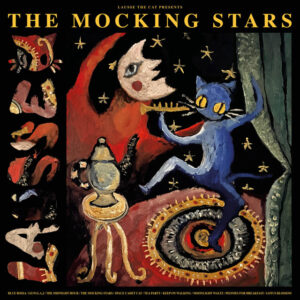
The Mocking Stars is a long-awaited continuation of the story of Lausse the Cat from the album serving as a first chapter, The Girl, The Cat, and The Tree. Lausse rejects the world below and drifts farther from reality. From sleepless nights on city rooftops to a final fall from the heavens, the album follows his somewhat continued search for peace across a collapsing planet and universe. The Cat, which grapples with themes of loneliness, a lack of perspective, and emotional unease.
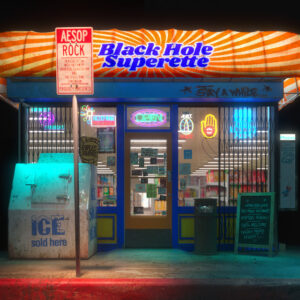
Black Hole Superette has inescapable savings! In a press release, Aesop Rock says, “This is about the neighborhood outside your home being the great leveler. You can’t show up feeling one way because the world will show you otherwise.” Black Hole Superette, the latest album from Aesop Rock, delves into the invisible forces that shape our lives and psyches. It’s about the small, often overlooked moments—the everyday experiences that blur the lines between the real and the unreal, waking and sleeping. Aesop Rock’s signature gift for transforming the mundane into something dreamlike gives the album a surreal quality, leaving listeners questioning what’s truly real as they navigate its vivid, half-remembered imagery.
Mom & Dad explores themes of growing up in the 80s, including the Reagan era, drug addiction, and the impact of Ronald and Nancy Reagan on a generation. Apathy expresses that the album serves as a cathartic experience, reflecting on his own upbringing and the challenges of that time
Run Toward The Monster is where fear meets the concrete. It’s a raw, unflinching dive into the darkness we all carry. Legendary Detroit producer Apollo Brown laces every track with grimy, soul-drenched grit, while mainstay emcee Ty Farris spits with surgical clarity; no filters, no fantasies. Each track is grown-man rap rooted in survival, self-awareness, and standing your ground. The monster isn’t just out there, it’s inside, and this album’s about facing it head-on. No capes, no heroes. Just two masters of the craft turning struggle into beautiful sound.
A concept record, with Goyard acting as our fictional anti-hero. Goyard Ibn Said uses the lens of the entertainment industry to examine the perpetual exploitation of Black life. Guevara embodies the character of Goyard, a successful rapper from North Philly whose rapid ascent brings sudden wealth and attention. Act 1 highlights the glory and spoils of mainstream hip-hop stardom, while Act 2 takes a surprise turn, focusing on the tragic experiences faced in achieving that success.
The Sword & The Soaring is all about Grief and Loss and connection to others. “Death definitely kind of created this like doorway for me to walk through, in terms of connecting with my own spirituality. And growing up, I always viewed my brother as like a guardian angel. And a lot like Archangel Michael who, as the story goes, defeated Satan and expelled the other fallen angels to protect the heavens against evil. So, this album kind of was birthed out of that idea, because I always saw angel Michael depicted with a sword, and all of my music praises the people that have passed on and honors them.”
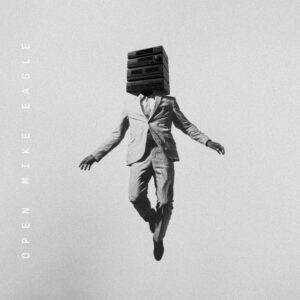
Neighborhood Gods Unlimited began as a concept for a cable network so broke it could only broadcast one hour a week and cramming its whole lineup into that slot. The album captures that texture: surreal ads for miracle drugs and wild barbershop theories from opener “woke up knowing everything” about chemtrails, Freemasons, Gatorade with mercury. Claustrophobically online, it draws on works like Get Out, Sorry to Bother You, and I’m a Virgo. “The trauma at the center of Neighborhood Gods Unlimited is mine,” Mike says. “I was shattered young and didn’t know it. This is about how people trying to find themselves get confused by reflections of themselves.” When the TV idea became too heavy to pursue, he turned it into music—a way to process and protect his mental health. The album plays like a season of TV, complete with a theme song, flashbacks, a climax, and even commercials.
The Good The Bad The Dollar Menu basks in the emotional and moral complexity of growing up poor, flanked by drug use, mental illness, and how it all affects you.
Shabazz The Disciple’s lyrics weave together spiritual wisdom, societal critique, and a sense of impending judgment. He draws heavily from the Book of Revelation, invoking the imagery of the 144,000 chosen ones to underline the righteous battle against Babylon. His reference on The Writing’s On The Wall to Babylon as a “city of sin” is scathing, painting it as a hub of greed, corruption, and moral decay. It’s a call for action, a warning of the times, and ultimately, a testament to the power of faith and resilience in the face of adversity.
Crimson Fury, A-F-R-O’s 6th solo EP, tells a fictional story of a man named Archie, who gets sent to prison after killing the men who murdered his best friend. When he’s told an old acquaintance orchestrated the murder, Archie vows to break out of prison and finish the job.
The album’s format is as ambitious as its themes: 26 songs, each beginning with a different letter of the alphabet, sequenced in order from A to Z. Even the guest features follow suit—Evidence appears on “Effortless,” Kurious on “Kilowatts,” and Musab, Muja Messiah, and Mike the Martyr all land on “Mash.” While the tracklist might seem sprawling, many of these songs are deceptively short—often just one or two verses—delivering their core ideas with surgical precision. The effect is a curated, flowing mosaic that captures a full emotional and creative arc without overstaying its welcome. More than a retrospective, Jestures is a meditation on movement and meaning—on how time shapes us, and how even the mundane can be transformative.
A nearly 40-minute underground hip-hop triumph that conceptually aims to highlight the absurdity of modern rap’s alikeness to professional wrestling; Beedromania is packed with a lineup of features and production contributors that’s on a level you’d expect to see on a pay-per-view event akin to the album’s namesake
The six-song Wood Teeth EP came out on July 4, and as you can probably tell from the title, it gets into the dissonance between America’s stated ideals and its squalid historic reality. doseone has a lot to say on the subject, and he says it by splatting his skittering rasp all over Height Keech’s classic fuzz-rock samples.
And That’s When I Saw Gawd delves deep into themes of televangelism and religion.
Released on Juneteenth, The Other 2/5ths sees Ghais reflect on the lasting impact of the slave trade and racism in America. The title refers to the 3/5ths Compromise.
Anger Management is a high-intensity, lyrically charged album that channels raw emotion through razor-sharp bars and explosive production. K.A.A.N. unleashes rapid-fire flows and unfiltered truth, while DJ Hoppa lays down a dark, cinematic backdrop that matches the project’s urgency and edge. Perfect for playlists featuring hardcore hip-hop, conscious rap, and aggressive lyrical showcases, Anger Management is a cathartic release that doesn’t hold back
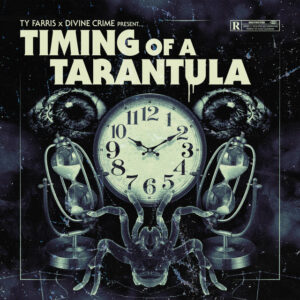
For anyone who happens to love the conceptual street hip hop like some of Ty Farris’ previous releases, you’re gonna love Timing of a Tarantula without question. His imagery makes sharp comparisons to the aptly named Theraphosidae family of arthropods & Divine Crime reveals himself as a future A&R that’ll be a force to be reckoned with over production balancing boom bap & drumless.
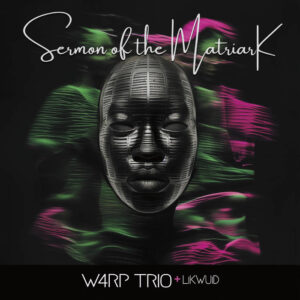
Sermon of the MatriarK is a towering conceptual work strives to, as W4RP put it, “honor the strength and resilience of women across the Black diaspora.” “Sermon of the MatriarK began as an exploration of folkloric material from the African diaspora with powerful female protagonists. As we sought to understand these characters, we became increasingly aware of their real-life counterparts—the heroines who shape our daily lives.” “We connected the dots from the legendary African warrior princess Yennenga to Black freedom fighters Harriet Tubman and Assata Shakur, all the way to our mothers, aunties, sisters, and friends fighting to protect and uplift themselves, their families, and their communities.”